August 3, 2026
Trees are among the most valuable assets in any landscape, providing shade, oxygen, visual beauty, and elevated property value. However, maintaining the health, structural integrity, and long-term vitality of these living giants requires consistent care and deliberate maintenance practices. While trees in wild forests manage to survive without human intervention, suburban and urban environments present unique challenges such as compacted soil, limited root space, structural pollution, and artificial lighting. Navigating these obstacles requires a foundational understanding of arboriculture. Homeowners who take a proactive approach to caring for their outdoor greenery can prevent major decay, manage potential hazards, and ensure their yard remains safe and picturesque for decades. Engaging professional tree services can streamline this journey, but mastering the basic principles allows property owners to spot potential issues early and provide their property with everyday upkeep.
Choosing Suitable Species
The journey toward a healthy urban canopy begins long before a single hole is dug in the ground. Selecting the correct plant species for a given location dictates how much effort, time, and money will be required to keep it thriving throughout its natural lifecycle. Every species possesses specific environmental requirements regarding sunlight exposure, soil composition, drainage capabilities, and climate hardiness. Planting a giant oak directly beneath low-hanging utility wires or positioning a moisture-loving willow in dry, sandy soil will inevitably lead to ongoing maintenance headaches, severe structural conflicts, and early decline.
When evaluating potential options for a property, property owners must consider the mature size of the specimen rather than its initial sapling appearance. Roots extend horizontally far beyond the drop line of the leaves, seeking moisture and nutrients. Placing specimens too close to building foundations, driveway pavement, or underground plumbing can lead to severe structural interference over time. Additionally, local climate patterns play a substantial role in long-term survival. Native species generally offer the greatest resilience against local weather fluctuations, native insect populations, and regional plant diseases because they have naturally adapted to the immediate ecosystem over generations. Selecting regional species reduces the necessity for heavy chemical intervention and intensive artificial irrigation. By consulting local agricultural extensions or specialized tree services, homeowners can identify species that harmoniously match their specific geographical conditions, establishing a solid foundation for decades of effortless growth.
Watering Soil Deeply
Proper hydration stands as one of the most fundamental yet frequently misunderstood components of long-term plant maintenance. Overwatering and underwatering both present grave threats to root systems, often producing nearly identical outward symptoms such as yellowing foliage, leaf drop, and stunted seasonal growth. The key to successful irrigation lies in delivering deep, slow applications of moisture directly to the root zone rather than brief, superficial spraying over the top layer of foliage or grass. Shallow watering encourages roots to remain near the surface, leaving the specimen extremely vulnerable to heat spikes, drought conditions, and soil heave during cold spells.
Establishing a consistent, deep-watering routine ensures that moisture penetrates beneath the upper topsoil, reaching the primary anchor and feeding roots located deep within the earth. During hot, dry periods, soaking the root zone slowly allows water to absorb without running off into neighboring drainage channels. A slow drip hose or a continuous trickle placed around the drip line of the canopy proves far more effective than a high-pressure sprinkler system. It is equally critical to adjust hydration practices based on seasonal changes, rainfall amounts, and soil drainage characteristics. Heavy clay soils retain water for lengthy periods and are prone to waterlogging, which starves root systems of essential oxygen and fosters rot. Conversely, sandy soils drain rapidly and require more frequent applications to keep moisture available. Monitoring the moisture level of the surrounding soil by digging slightly beneath the surface helps gauge actual hydrologic conditions before adding additional water.
Pruning Canopy Foliage
Pruning represents both an art and a vital biological necessity in arboriculture. Trimming foliage is essential for removing dead, diseased, or damaged branches that pose safety risks to nearby structures and pedestrians. Beyond safety, strategic canopy thinning enhances air circulation and light penetration throughout the interior crown, minimizing conditions that foster fungal growth and leaf blights. However, improper cutting techniques can permanently disfigure a plant, introduce decay pathogens, or create structural vulnerabilities that lead to limb failure during storms.
Timing and technique are crucial factors when making cuts. Large structural adjustments are best executed during late winter when the plant is dormant, as this minimizes sap loss and reduces exposure to active insects and fungal spores. According to RACV, mature trees should be trimmed every three to five years. Adhering to this routine maintenance schedule prevents branches from becoming dangerously overgrown or structurally unbalanced. When executing cuts, avoid leaving long stubs, which decay slowly and invite infection, and refrain from making flush cuts that damage the protective branch collar where natural healing occurs. Large, heavy branches require specialized multi-cut techniques to prevent the heavy bark from tearing down the main trunk as the branch falls. For complex crown reductions or work near power lines, relying on qualified tree services guarantees that cuts are executed safely without compromising structural health.
Identifying Potential Hazards
Early identification of structural issues, disease symptoms, and pest infestations can mean the difference between simple remediation and total plant removal. Routine visual inspections allow homeowners to detect subtle changes in foliage color, canopy density, and bark texture before minor problems escalate into severe hazards. Common warning signs include premature leaf drop, localized dieback in the upper crown, unusual fungal growths emerging around the root collar, and deep cracks running down the main trunk.
Pest infestations often manifest through visible defoliation, sawdust-like frass accumulated at the base, or sticky residues dripping onto lower foliage. Soil conditions around the base also offer critical clues; soil cracking or sudden lifting on one side of the trunk indicates that the root plate may be failing, creating an immediate tipping hazard. Similarly, hollow cavities inside the trunk severely compromise structural stability, particularly during severe wind events. Recognizing these physical indicators allows property owners to take swift corrective measures.
Utilizing Professional Assistance
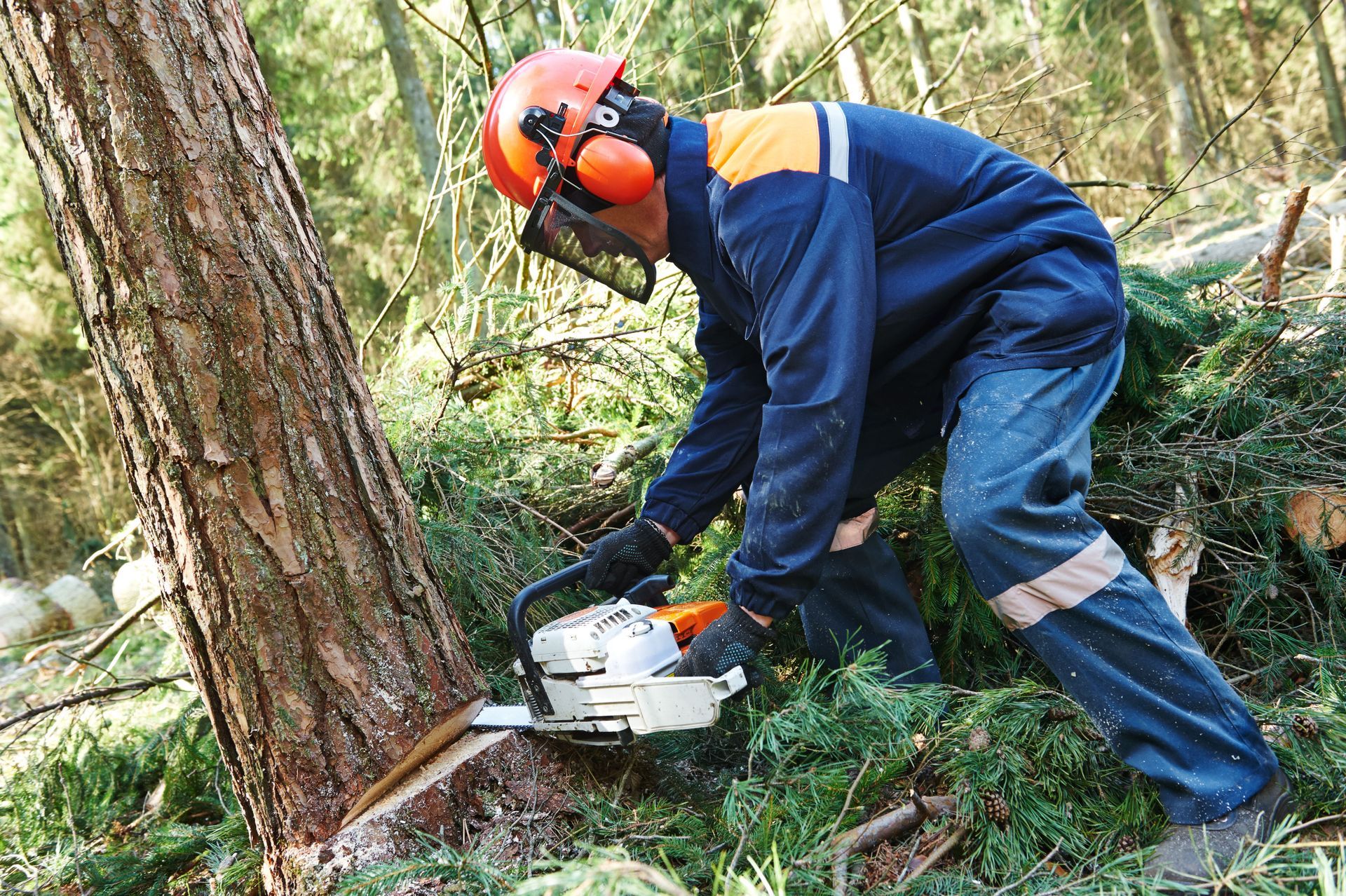
While basic tasks like light watering, ground mulching, and low-branch pruning fall well within the capabilities of most homeowners, extensive care demands specialized equipment, technical expertise, and rigorous safety protocols. Working at elevated heights, operating heavy machinery, and managing large structural falls involve inherent hazards that require professional training. Expert arborists bring a comprehensive understanding of plant physiology, local climate challenges, and advanced rigging techniques to safely manage large-scale landscape needs.
Attempting to handle severe storm damage, large branch removals, or advanced disease treatments without professional training can result in severe personal injury or property damage. Professional teams possess specialized climbing equipment, hydraulic lifts, and heavy wood chippers designed to perform complex operations efficiently and safely. Beyond hazard mitigation, professional expertise helps diagnose obscure diseases, assess subterranean root health, and formulate long-term care programs tailored to unique soil conditions.
Maintaining a vibrant, safe, and beautiful landscape requires continuous observation, proactive care, and occasional expert intervention. By understanding the fundamentals of species selection, proper irrigation, mulching, structural pruning, and hazard monitoring, property owners can cultivate thriving outdoor environments that endure across generations. When structural challenges or heavy maintenance demands arise, partnering with skilled professionals ensures your landscape receives the precise care it deserves. At Castlewood Tree Service, we are dedicated to helping homeowners preserve the health, safety, and natural splendor of their landscapes through comprehensive, professional care tailored to every seasonal need. Contact us today to learn more.