July 17, 2026
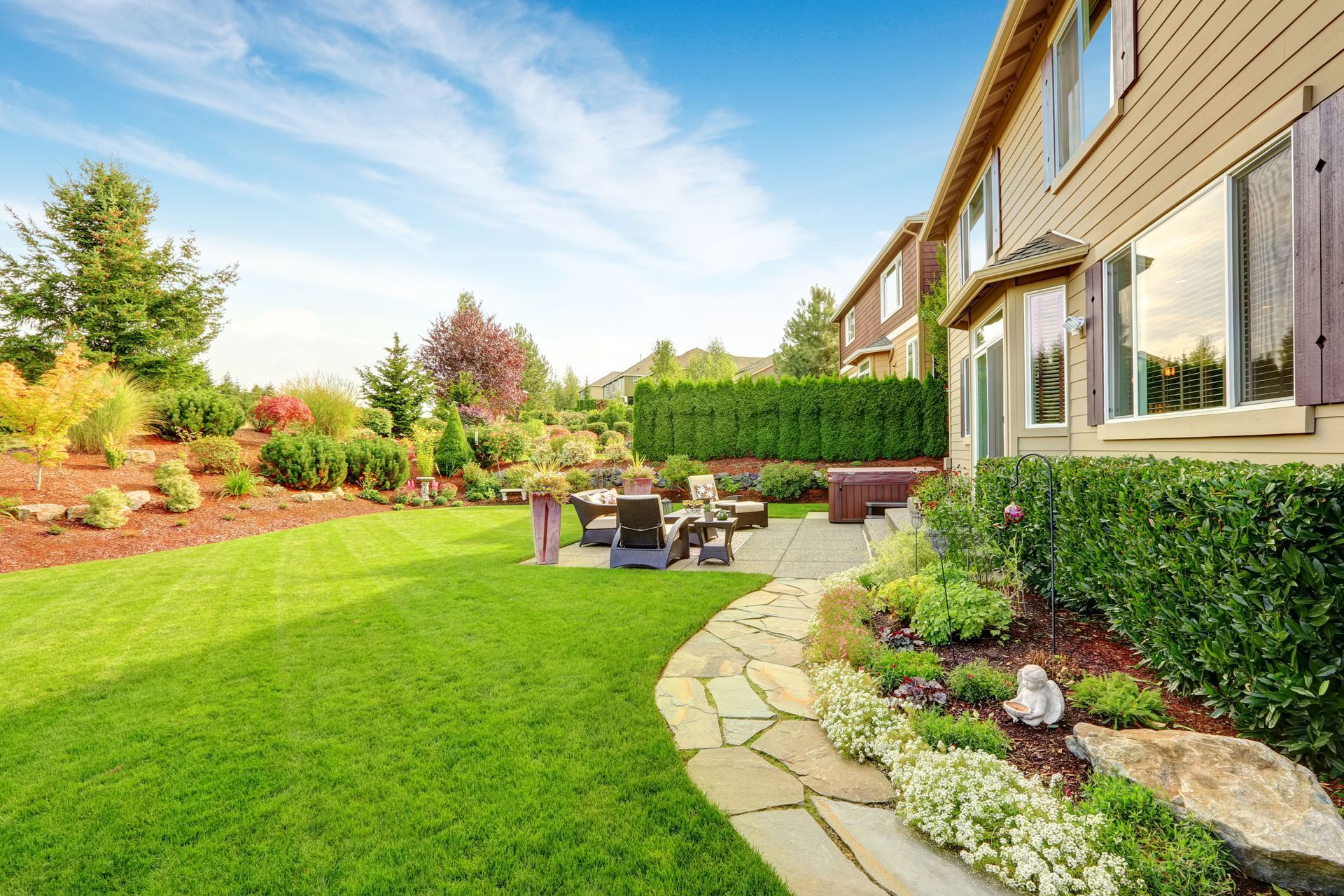
Transforming your yard into a lush, vibrant sanctuary is one of the most rewarding home projects you can take on, but success requires more than just picking out the prettiest flowers at the local nursery. According to a recent report by This Old House, a staggering 77% of homeowners upgraded their outdoor plants, shrubs, or trees in 2025, highlighting just how much we value our outdoor spaces. However, a thriving garden isn't a matter of luck; it's a matter of matching the right life to the right location. Before you grab your shovel, you need to understand the unique ecosystem of your property. By evaluating a few critical factors with your local tree service, you can make smart, sustainable choices that will save you time, money, and garden heartbreak.
1. Assessing Sunlight Exposure
Understanding the sunlight exposure in your yard is crucial for choosing the right plants. Some plants require full sun, meaning at least six hours of direct sunlight daily, while others thrive in partial shade or even full shade. Observing your yard throughout the day helps determine which areas receive full, partial, or filtered sunlight. Ideally, take notes about sunlight patterns during different times of the year, as they can vary. Matching plants to these light conditions is essential for their successful growth and maintenance.
Besides light levels, the time of day your yard receives sunlight also influences which plants you should choose. Morning sunlight tends to be cooler and less intense, which some plants tolerate better than the harsh afternoon sun. The presence of structures like trees, fences, or buildings can also impact where and when sunlight reaches certain spots in your yard. Plants that require full sun can suffer if the intense afternoon heat overwhelms them, necessitating careful placement and planning. Even within a small garden, micro-environments can affect plant health based on light exposure.
Using tools such as a sunlight meter can provide precise measurements of sunlight in different locations. This data can inform your choice of plants, ensuring they get optimal light conditions. In urban environments, tall buildings may create more shaded areas, necessitating a preference for shade-tolerant species. Conversely, wide-open rural areas may offer ample sunlight, fitting for sun-loving flora. Pairing the right plants with the right sunlight conditions is the first step in achieving a thriving yard.
2. Evaluating Soil Quality
Soil quality is another fundamental factor influencing plant health. Good garden soil is typically well-drained, rich in organic matter, and balanced in terms of nutrients. Conducting a soil test with the help of a local tree service can reveal important information about its pH and nutrient content. Amending the soil with organic materials like compost can improve poor soil conditions, fostering healthier plants. Understanding the soil type in your yard, whether it's sandy, clayey, or loamy, helps determine proper plant choices and care methods.
Clay soils can retain water longer, which may harm plants sensitive to overly wet conditions. Sandy soils drain quickly, which might be a struggle for moisture-loving species. Introducing organic matter can improve both types by enhancing nutrient availability and water retention. Adjusting soil pH can also be necessary, with some plants requiring more acidic or alkaline conditions. Regular testing and amendment of the soil help ensure an abundant and flourishing yard environment.
Working with your local tree service may provide additional insights into common soil issues and solutions in your area. Local experts can recommend soil amendments that work best with regional conditions. In addition to soil testing, observing plant growth and health can signal whether additional amendments are needed. Fertilizing responsibly avoids the overuse of chemicals, maintaining a sustainable approach to yard care. Successful gardening combines good soil practices with informed plant selections.
3. Considering Climate and Weather Patterns
The climate in which you live hugely impacts your planting decisions. Factors like average temperature ranges, precipitation levels, and seasonal weather patterns dictate what flora will thrive in your garden. Plant hardiness zones, based on localized climate data, provide valuable information for selecting plants suited to your region's conditions. Taking advantage of existing climate data ensures your garden remains resilient and flourishing. Selecting plants that accommodate both hot summers and cold winters, if applicable, can sustain a year-round interesting and healthy garden.
Urban climates, which might vary in temperature and weather patterns compared to rural areas, can influence plant choices. Urban heat islands can lead to warmer conditions, requiring adjustments to plant selections that can withstand increased temperatures. Likewise, coastal regions may need plants adapted to saline environments and salt spray. Taking all of this into account enhances your ability to maintain an appealing and healthy yard, regardless of your precise location. Weather fluctuations can be managed with informed planning and adaptation.
Additionally, choosing plants with varied tolerances to extreme weather conditions can prevent garden losses from unexpected frosts, droughts, or storms. Consider using native plants adapted to local climates for a more sustainable and water-wise garden. This attention to local climate and weather trends will give your yard the best chance to thrive despite any environmental challenges. Furthermore, by creating a habitat suitable for diverse plant life, your yard can become a refuge for local wildlife. Integrating both beauty and practicality into your planting strategy ensures a functional and attractive garden space.
4. Recognizing Pest and Wildlife Presence
Pests and wildlife can pose both a challenge and a boon to your garden, making it important to understand their roles. Native predators in your area can help control pest populations naturally. Attracting beneficial insects, birds, and other wildlife can balance the ecosystem of your garden, reducing the need for chemical interventions. Meanwhile, certain plants deter harmful pests or attract their natural enemies. Being aware of local pest issues and beneficial wildlife will guide you in creating a harmonious outdoor environment.
Simultaneously, some animals, such as deer and rabbits, might view your freshly planted yard as a buffet. Choosing deer-resistant plant varieties or employing barriers like fencing can protect your efforts. Creating a space that discourages pests while welcoming beneficial wildlife strikes a balance that favors a thriving landscape. Companion planting is another strategy to consider, promoting natural pest control by positioning certain plants together. Carefully planning your plant setup with a local tree service can reduce dependency on synthetic pesticides, ensuring a more environmentally friendly approach.
Companion plants that provide habitat for beneficial insects add another layer of pest management within your garden. Surrounding certain vulnerable plants with those that repel insects can prevent infestations. The ecosystem services provided by wildlife, such as fertilization and pollination, enhance the vigor of your gardens. Thus, encouraging a diverse range of native wildlife through appropriate plant selection and garden design can provide both functional and aesthetic benefits. With strategic planning, your garden can become an idyllic haven that celebrates nature's way of maintaining order and balance.
At its core, successful landscaping is less about forcing nature to adapt to your wishes and more about choosing plants that are already perfectly suited to your yard's unique conditions. By taking the time to analyze sunlight, test your soil, respect your regional climate, and plan for local wildlife, you set your garden up for long-term health and minimal maintenance. Gardening is a continuous journey of observation and adaptation, but with these factors guiding your selections, you'll do much more than just plant a yard; you'll build a resilient, beautiful ecosystem that thrives for years to come. To learn more from a local tree service, reach out to the experts at Castlewood Tree Service today!