September 11, 2026
Trees can add shade, character, and natural beauty to a property, but they can also create problems when they become damaged, diseased, overgrown, or poorly positioned. Branches that extend toward a roof, roots competing with turf, and unstable trees near outdoor features can all affect the condition and appearance of a home.
Local tree removal can address these concerns before they develop into more costly property issues. By identifying trees that pose risks and determining when removal is appropriate, homeowners can protect structures while creating better conditions for lawns and landscaping. Understanding the benefits of local tree removal can also help property owners make informed decisions about maintaining their outdoor spaces.
Understanding Local Tree Removal and Its Importance
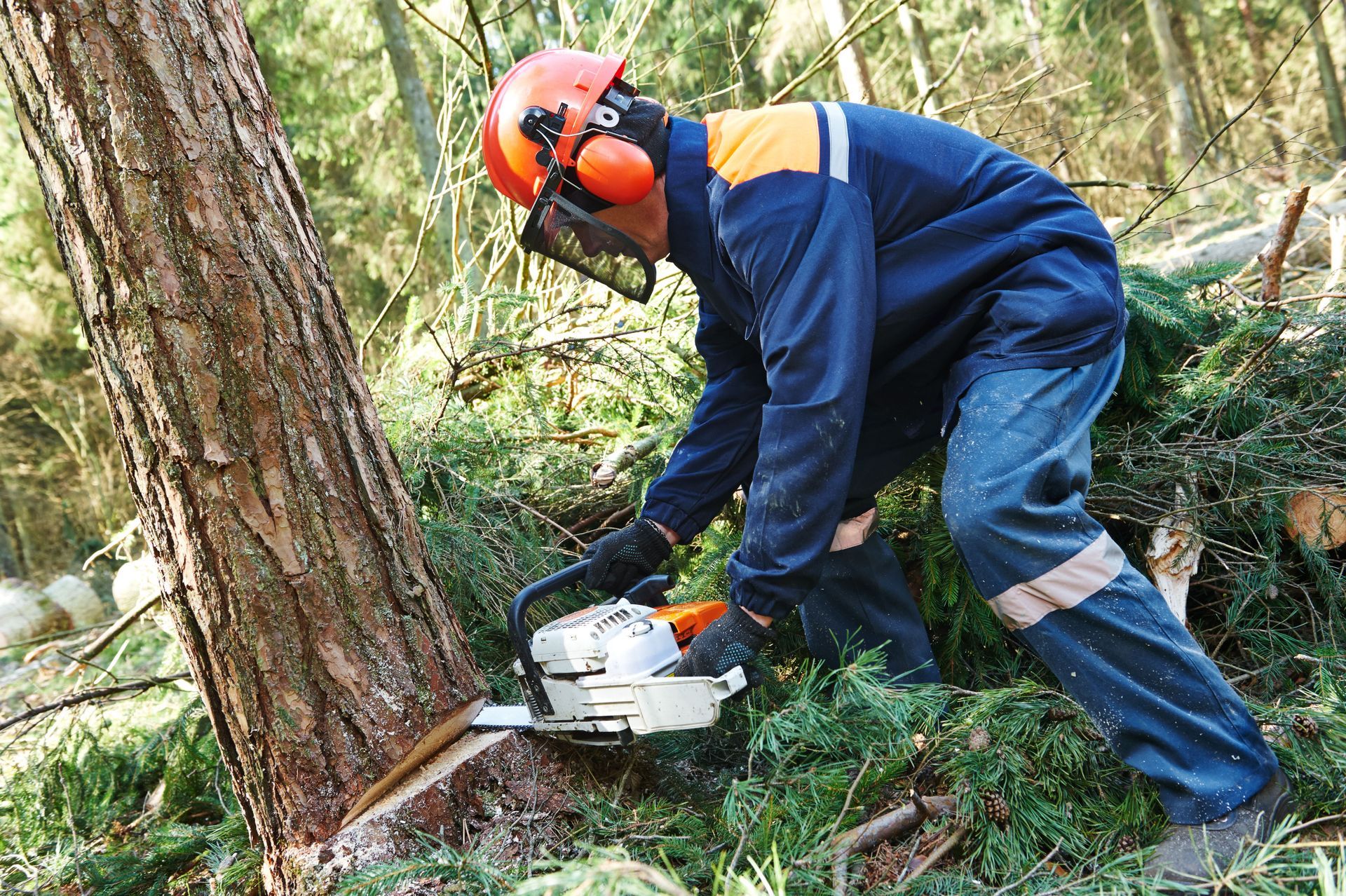
Local tree removal involves safely cutting down and removing trees that are dead, declining, hazardous, obstructive, or otherwise unsuitable for their location. While removing a healthy tree is not always necessary, certain trees may become liabilities because of disease, storm damage, structural weakness, or excessive growth.
The location of a tree is an important consideration. A tree growing close to a home may eventually develop branches that extend over the roof or roots that interfere with landscaping features. Trees positioned near driveways, walkways, fences, or utility areas can create additional concerns as they grow.
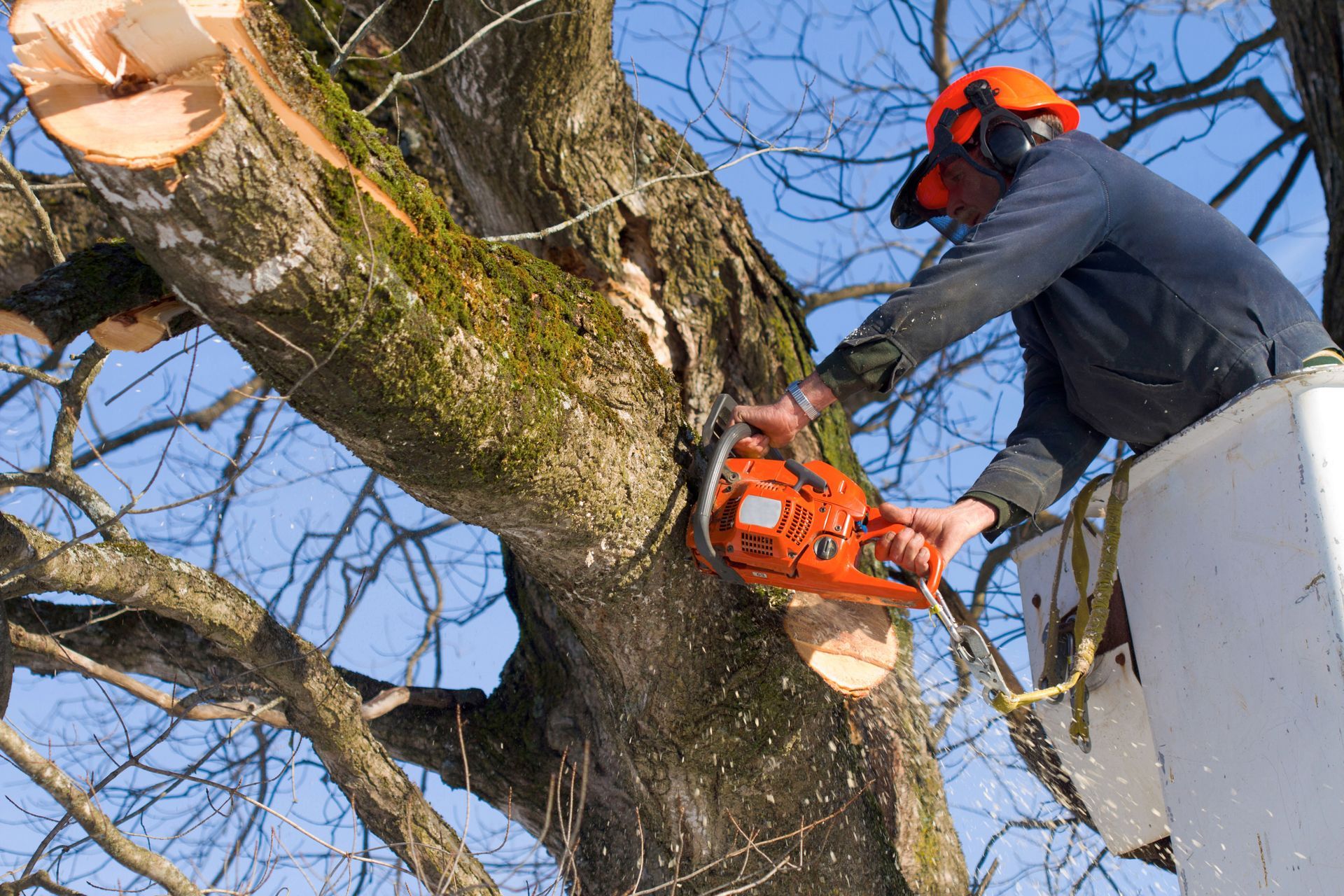
Local tree removal can help homeowners address these conditions before they result in significant damage. Professional assessment is particularly valuable when a tree is large, leaning, or located close to structures. Removing a substantial tree is not simply a matter of cutting through the trunk. Its size, condition, surrounding structures, and direction of fall all have to be considered.
The amount of time required can also vary considerably. According to HomeAdvisor, removing a giant tree may take one or two full workdays. This illustrates why larger removal projects require careful planning rather than being treated as quick landscaping tasks.
Protecting Your Roof From Falling Branches
One of the most important reasons homeowners consider local tree removal is to protect their roofs. Trees located near houses can eventually develop large branches that extend over shingles, gutters, skylights, chimneys, and other roof components.
Even relatively small branches can scrape against roofing materials when moved by wind. Over time, repeated contact can contribute to wear. Larger branches present an even greater concern because they can break during storms and fall directly onto the roof.
Dead or weakened branches are particularly concerning. A branch that appears stable during calm weather may become hazardous when exposed to strong winds, heavy rain, ice, or snow. In severe cases, an entire tree can fall toward a home.
Removing a hazardous tree can reduce these risks. In some situations, selective pruning may be enough to address an overhanging branch. However, a tree with significant structural problems may warrant complete removal.
Local tree removal can also help protect gutters and drainage systems. Leaves, twigs, and broken branches can accumulate in gutters beneath heavily wooded areas, potentially contributing to blockages. Keeping hazardous vegetation away from the immediate roof area can make ongoing exterior maintenance more manageable.
Improving Lawn Health After Tree Removal
Trees and lawns can coexist successfully, but dense tree growth may create challenging conditions for grass. Large trees can cast substantial shade, limiting the amount of sunlight that reaches the lawn throughout the day.
Tree roots can also compete with grass for water and nutrients. This does not necessarily mean every tree affecting a lawn should be removed. However, when an unhealthy or poorly positioned tree is already creating problems, removal can provide an opportunity to improve growing conditions.
Local tree removal can increase sunlight exposure in areas that were previously shaded. More available sunlight may make it easier for suitable grass varieties and other plants to establish and maintain healthy growth.
Removing a tree also eliminates competition from its root system. Once the tree and major roots are addressed, homeowners can evaluate the area and determine how best to restore it. Depending on the property, that could involve reseeding, installing sod, adding ground cover, or creating a new garden bed.
Stump removal or grinding may also be considered. A remaining stump can interfere with mowing and landscaping while taking up usable space. Addressing the stump can make it easier to reclaim the area and incorporate it into the rest of the lawn.
Enhancing Your Landscaping After Removal
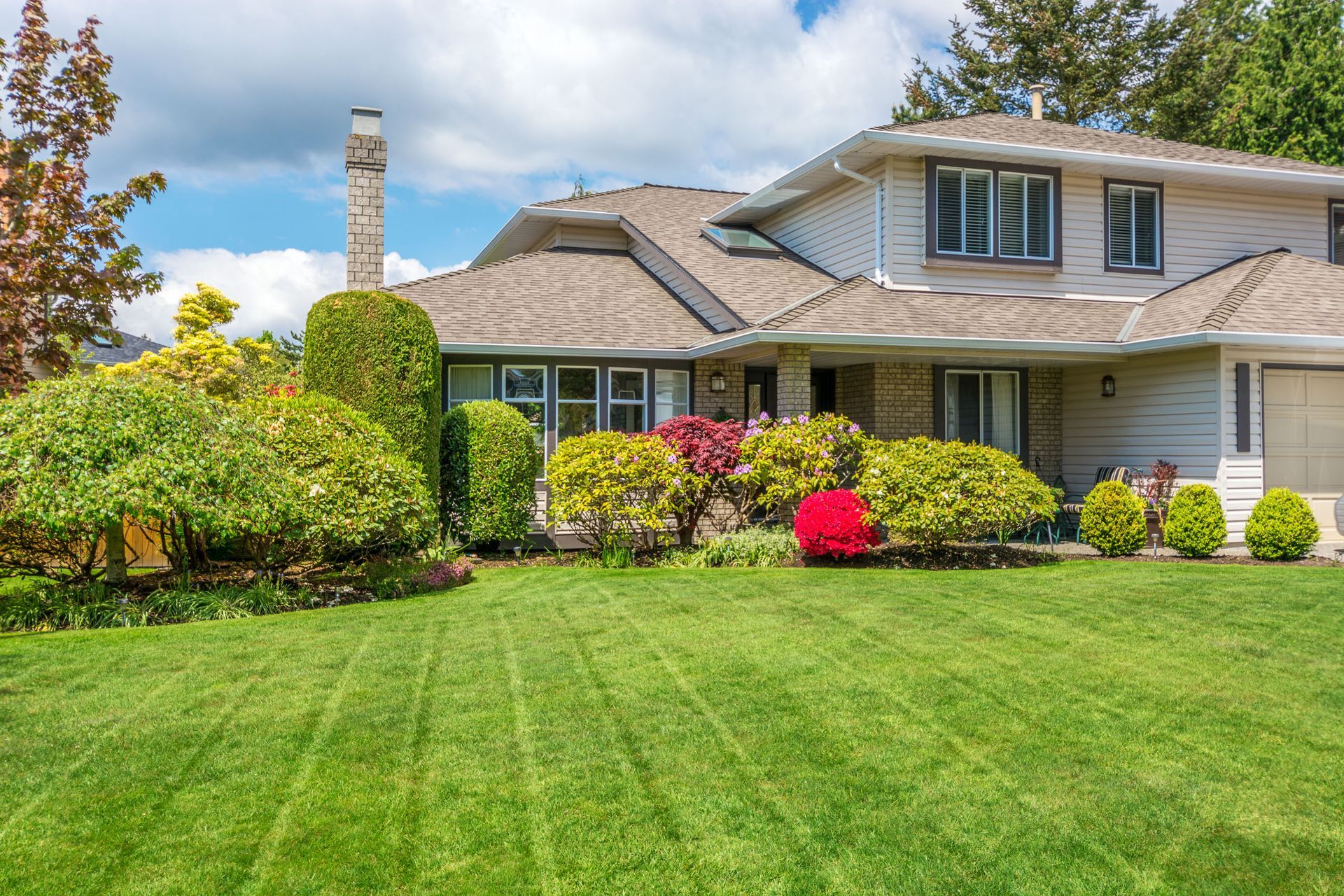
Removing a tree does not have to mean losing the visual character of a landscape. In many cases, local tree removal can create opportunities for homeowners to redesign areas that have become difficult to maintain.
A space previously occupied by a large tree could become a garden bed, seating area, planting zone, or open section of lawn. Homeowners can consider the amount of sunlight now available and select plants that are appropriate for the new conditions.
The removal of an oversized tree may also make other landscaping elements more visible. Flower beds, ornamental trees, walkways, retaining walls, and outdoor structures that were previously hidden behind dense vegetation can become more prominent.
Local tree removal can therefore be part of a broader landscape improvement project. Rather than simply removing vegetation, homeowners can consider how the newly available space will function and how it can contribute to the overall design of the property.
Replacement planting may also be appropriate. A homeowner who wants to maintain greenery could select a smaller species that provides visual interest without eventually creating the same structural concerns. Placement matters, so mature size, root growth, sunlight requirements, and proximity to buildings should all be considered before planting.
Improving Safety and Managing Property Costs
Trees can become safety hazards when they are dead, unstable, damaged, or located where falling limbs could affect people or property. A tree near a frequently used walkway, driveway, patio, or play area deserves particular attention if its condition has deteriorated.
Local tree removal can reduce the likelihood of branches or trees falling unexpectedly. This can provide greater peace of mind while reducing potential hazards around frequently used portions of the property.
There can also be financial considerations. Preventing tree-related damage may cost less than dealing with the aftermath of a fallen tree. A major branch can damage roofing, siding, vehicles, fencing, landscaping, or outdoor structures. Emergency cleanup may add further expenses.
Routine inspections can help homeowners identify problems before they become emergencies. Signs such as dead branches, significant cracks, decay, leaning trunks, or visible root problems may indicate that a tree deserves professional evaluation.
Local tree removal can also reduce some long-term maintenance demands. Fewer problematic trees may mean less debris in certain areas, fewer branches requiring attention, and easier access for lawn care and landscaping work.
Making Informed Tree Removal Decisions
Not every unwanted tree needs to come down. Healthy trees provide environmental and aesthetic benefits, including shade, habitat, and visual appeal. For that reason, homeowners should consider the tree's condition, location, age, and potential risks before deciding on removal.
When removal is appropriate, local tree removal should be planned around the property's specific conditions. Professionals can evaluate the tree and surrounding area while accounting for nearby structures, landscaping, utility lines, access limitations, and the size of the tree.
Homeowners should also think about what happens after removal. Restoring the lawn, addressing the stump, managing remaining roots, and redesigning the landscape can all be part of the project.
Protecting Your Property With Better Tree Management
Trees can be valuable features, but their condition and location can change as they mature. A tree that once seemed appropriately positioned may eventually grow close to a roof, shade a lawn, or interfere with landscaping.
Local tree removal provides one option for addressing trees that have become hazardous or impractical. When carefully planned, removal can help protect roofing, improve lawn conditions, open opportunities for landscape improvements, and reduce safety concerns.
For homeowners, the goal is not simply to remove trees. It is to maintain a property where trees, structures, lawns, and landscaping work together safely and effectively. With thoughtful evaluation and appropriate maintenance,
local tree removal can be an important part of protecting both the appearance and long-term condition of an outdoor environment. if you need a tree removed, reach out to the team at Castlewood Tree Service today!